

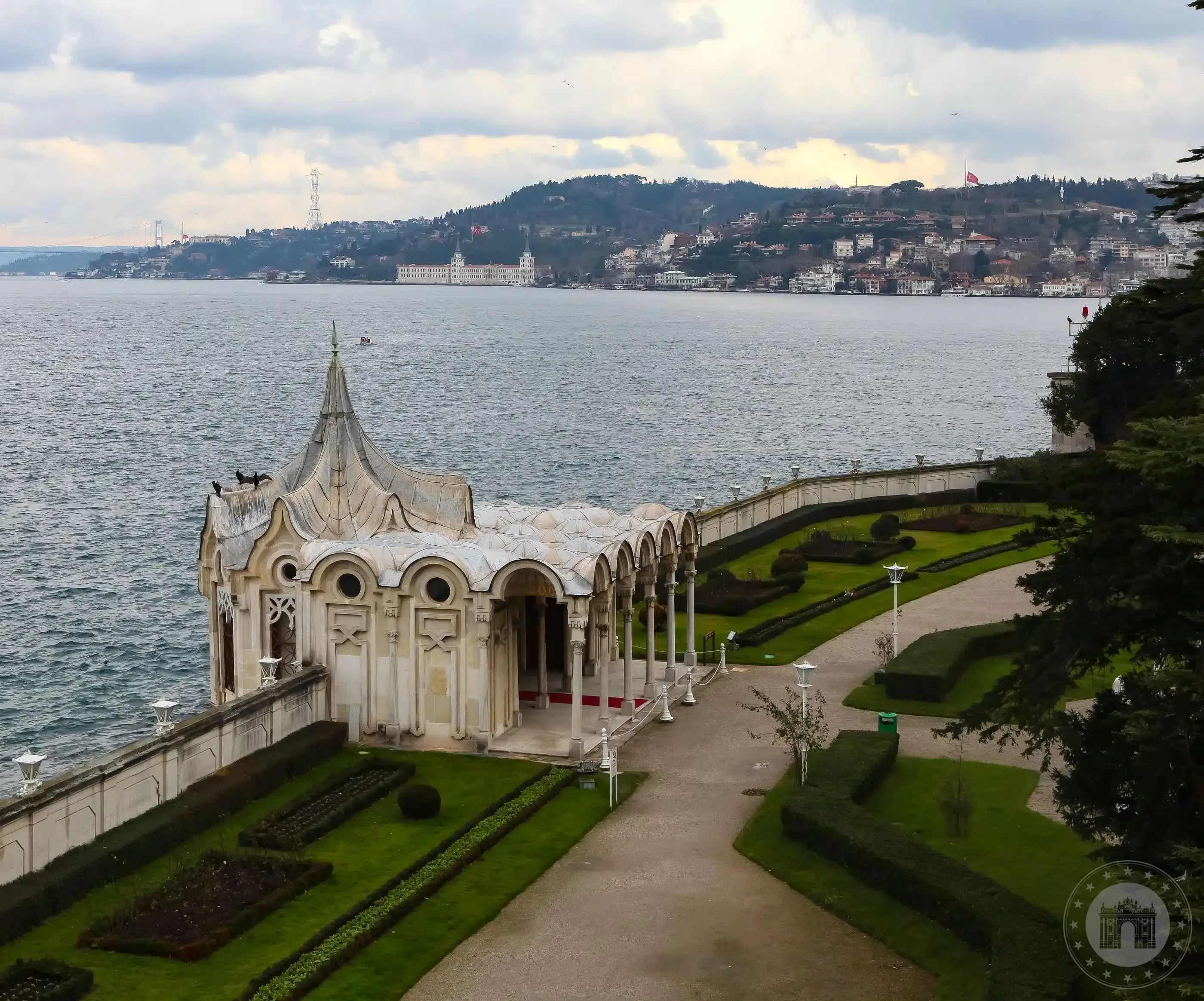
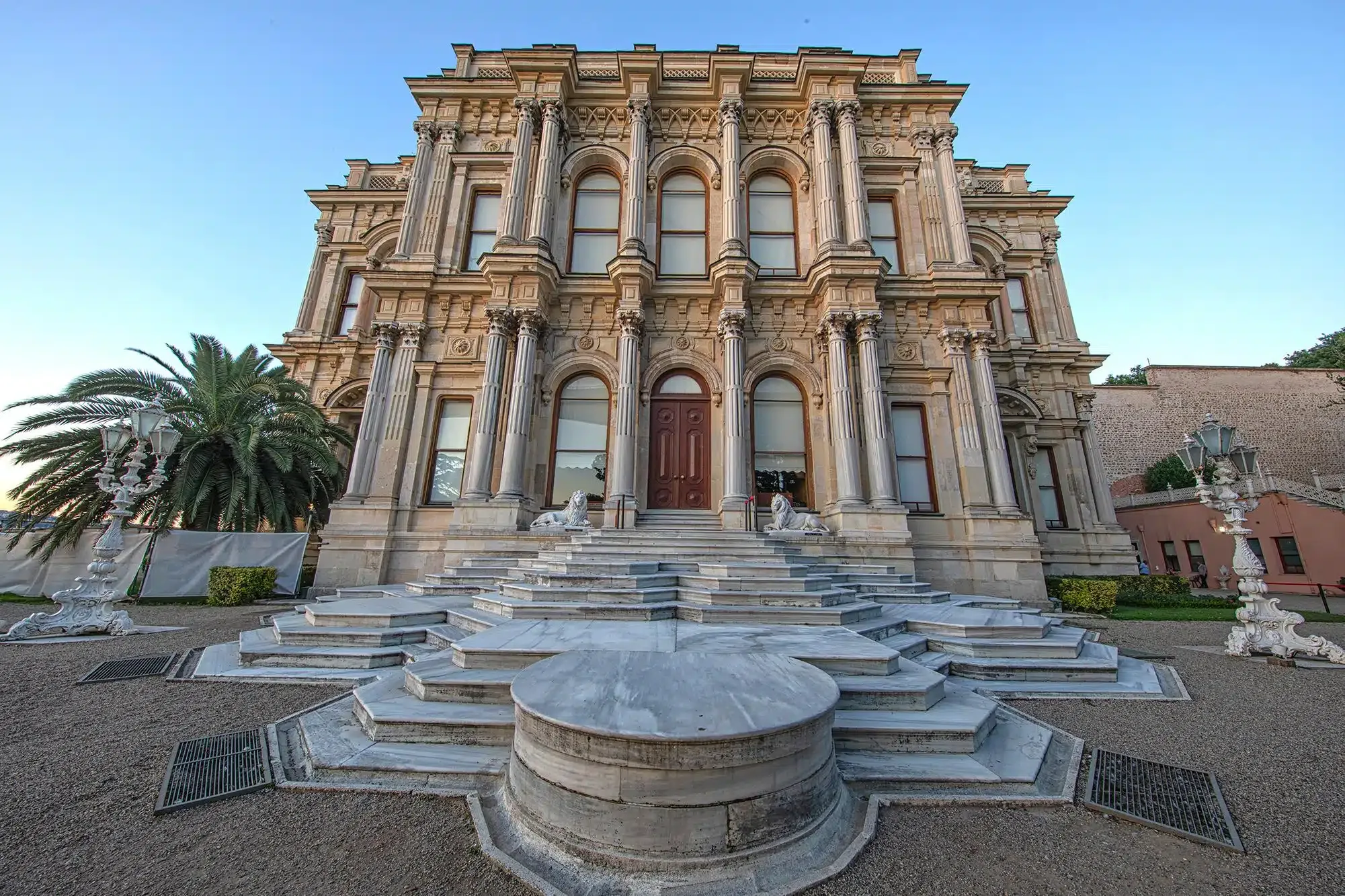
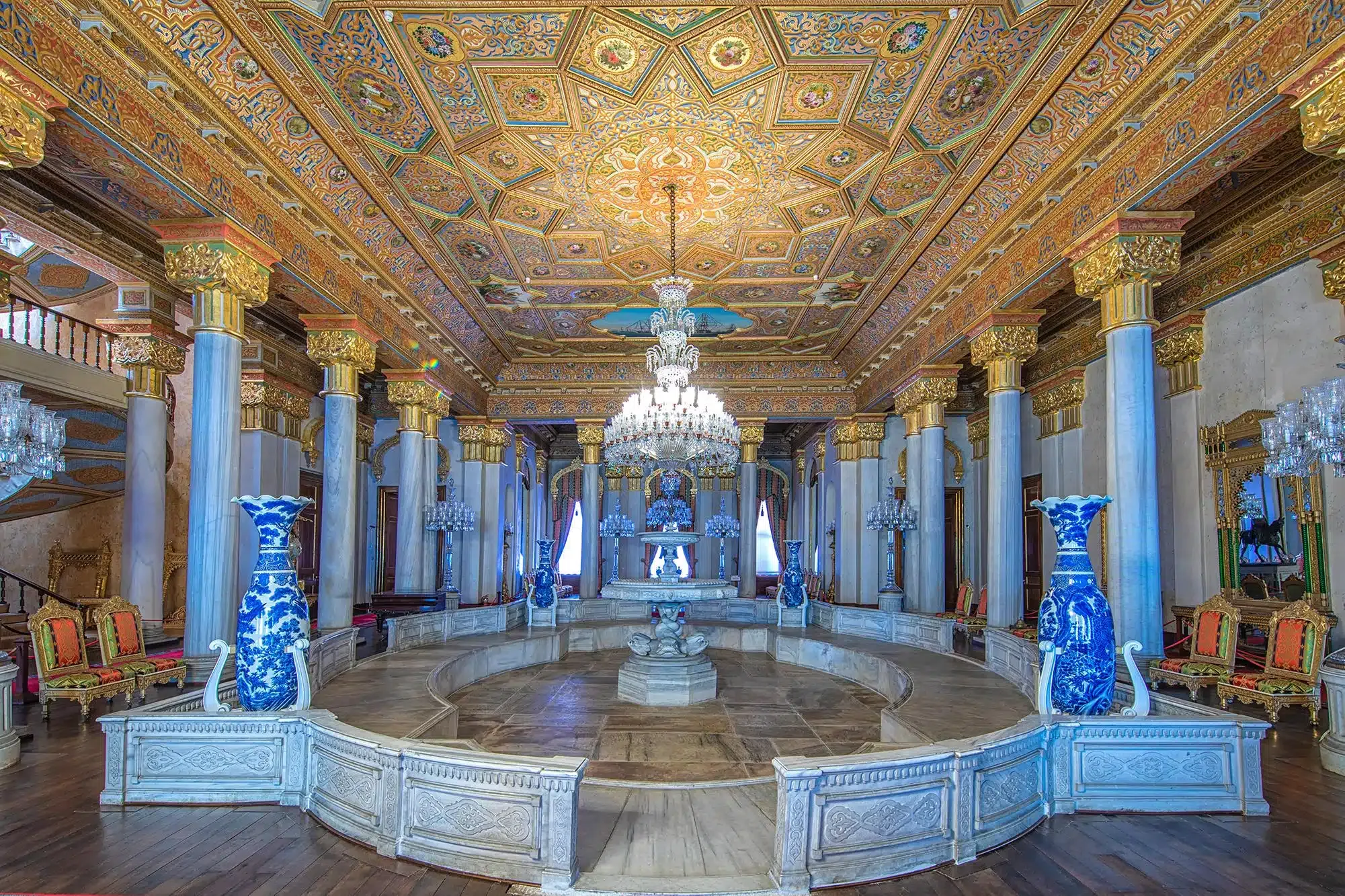
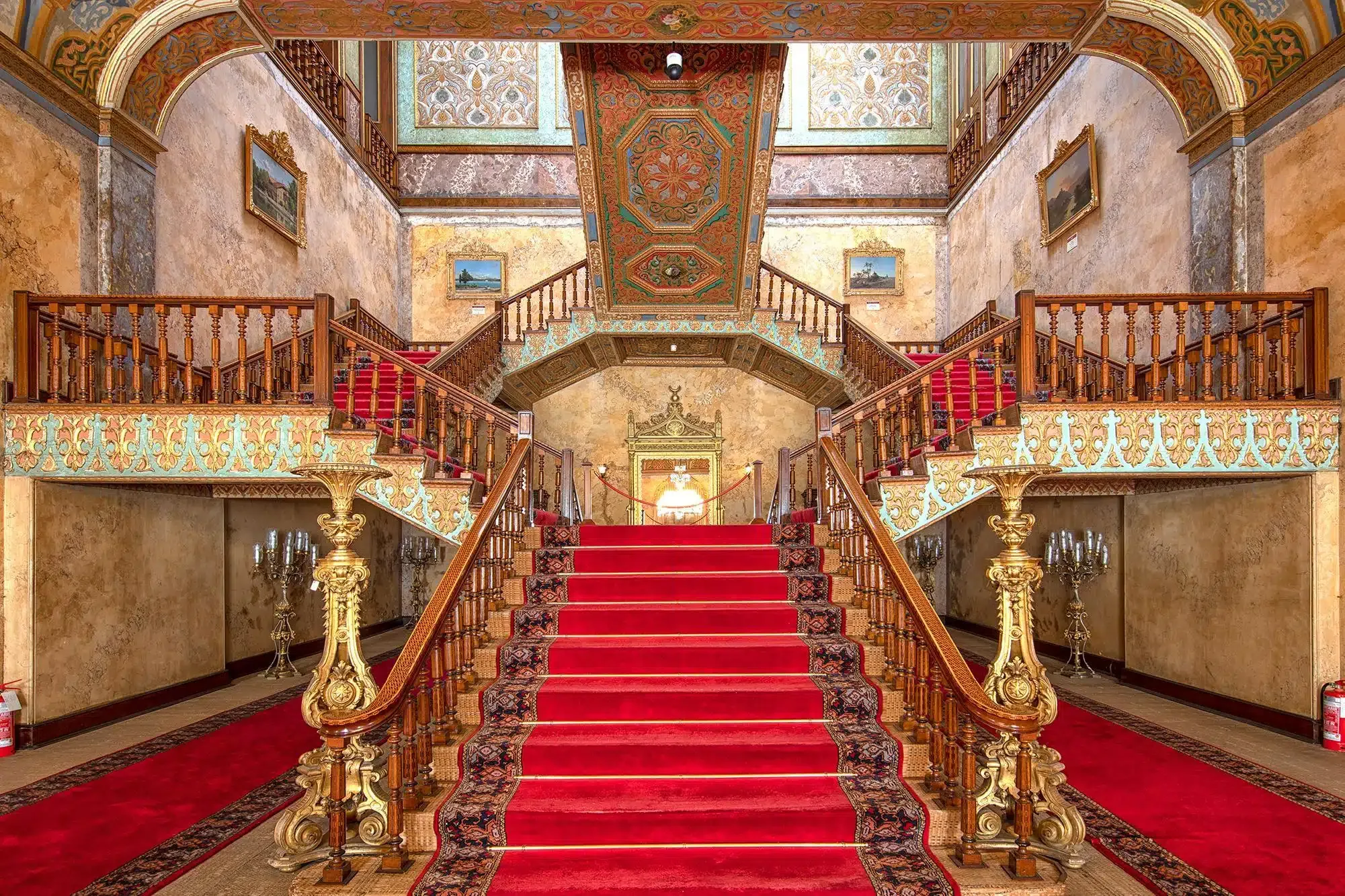
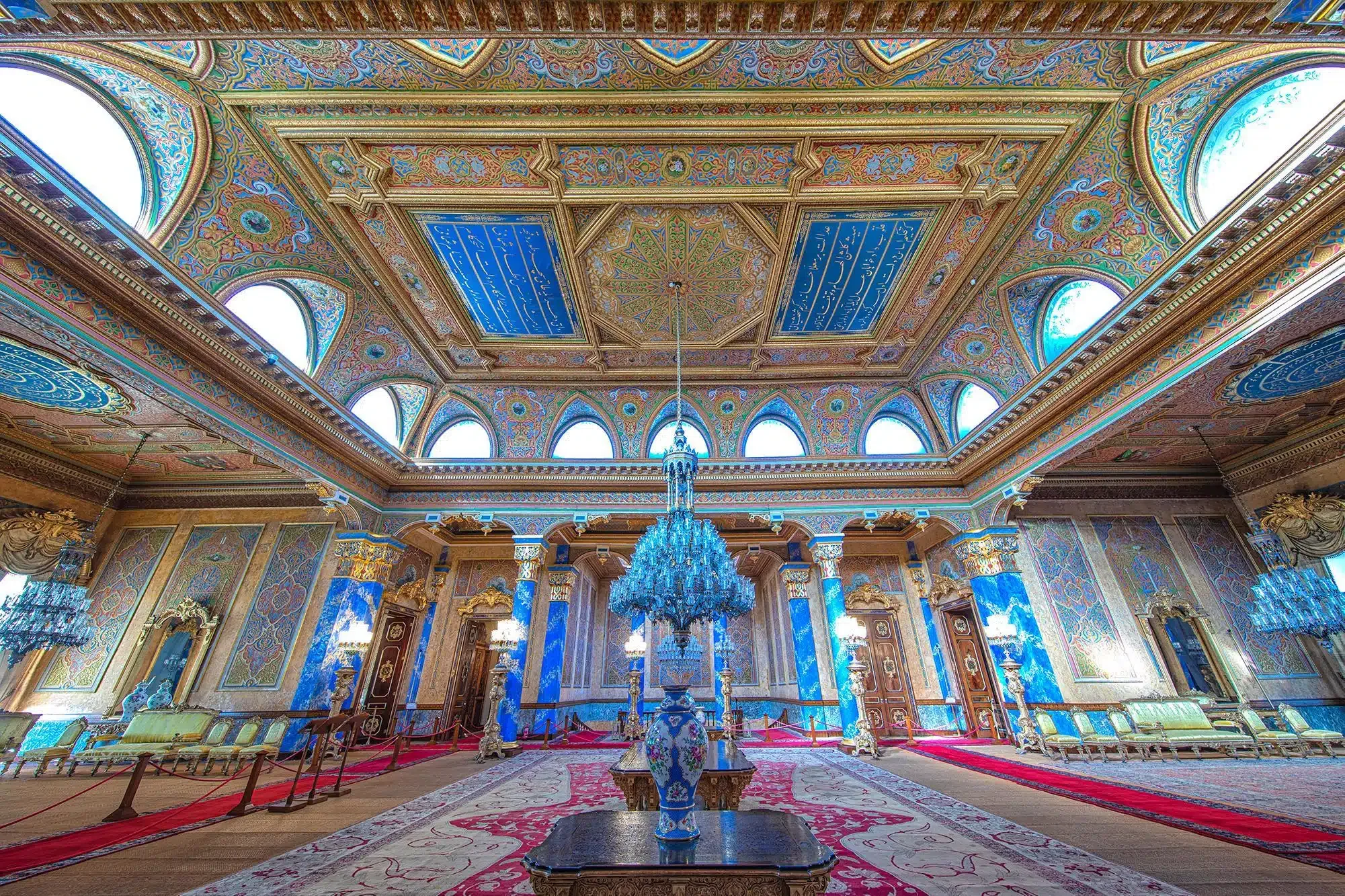
The use of Beylerbeyi and its surroundings as a settlement area dates back quite far in history, to the Byzantine period. Following the construction of buildings in different historical periods, the wooden palace built during the reign of Sultan Mahmud II (1808-1839) burned down, and Sultan Abdülaziz had the palace and its annexes built between 1863-1865. The main building of the palace, consisting of the Mâbeyn and Harem sections, is open to visitors. However, the Sea Pavilions, the upper terrace gardens, the Yellow Pavilion around the large pool, the Marble Pavilion, and the Stable Pavilion, built to house the sultan's horses, are closed to visitors. Beylerbeyi Palace is a summer palace. It was especially used to host foreign dignitaries. Numerous guests, such as Emperor Franz Joseph of Austria Hungary (1869), Empress Eugénie of France (1869), Prince Nicholas of Montenegro (1874), and Emperor Wilhelm II of Germany, were hosted here. Abdülhamid also spent the last six years of his life here after being dethroned, and he died in this palace in 1918.
BEYLERBEYI PALACE
Abdullahağa Mah., Beylerbeyi, Üsküdar, İstanbul
Information
Category
Historical Places
Historical Places
Address
Beylerbeyi, Üsküdar, İstanbul
Beylerbeyi, Üsküdar, İstanbul
Views
186
186
Overview
Nearby Places
No nearby content yet.
Map
Abdullahağa Mah., Beylerbeyi, Üsküdar, İstanbul
Activities in the Area
No activities found in this area.
Events in the Area
No events found in this area.