

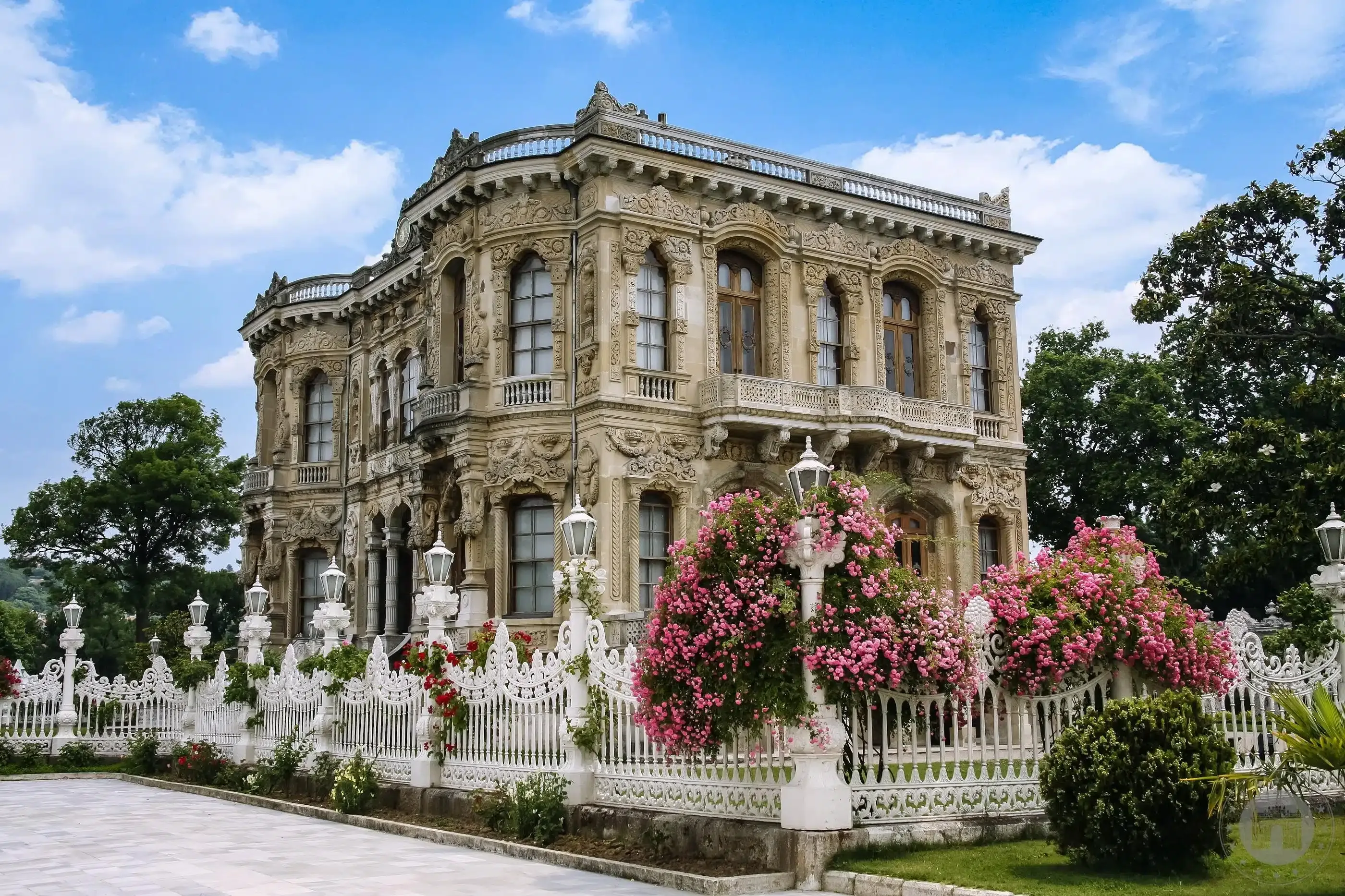
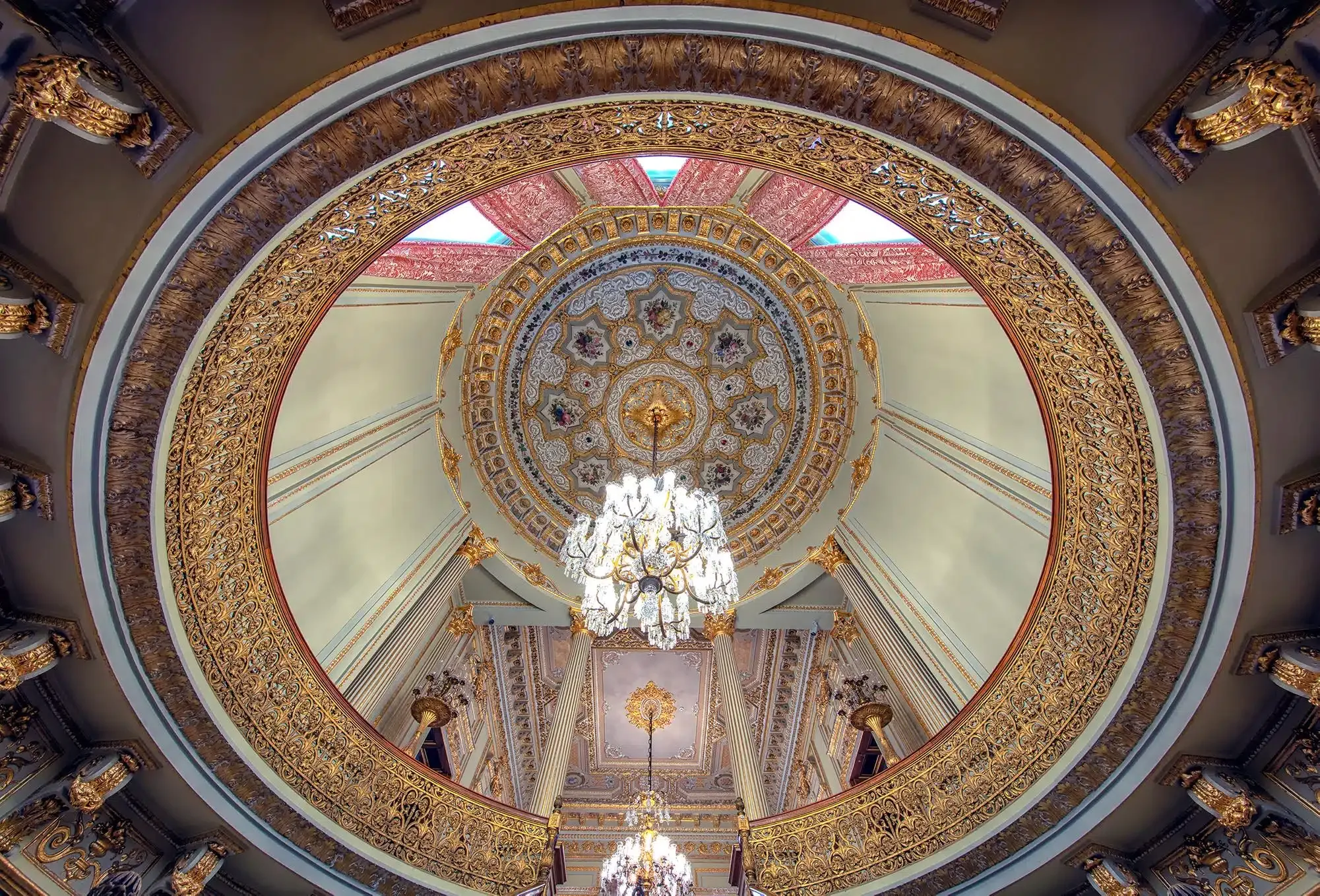
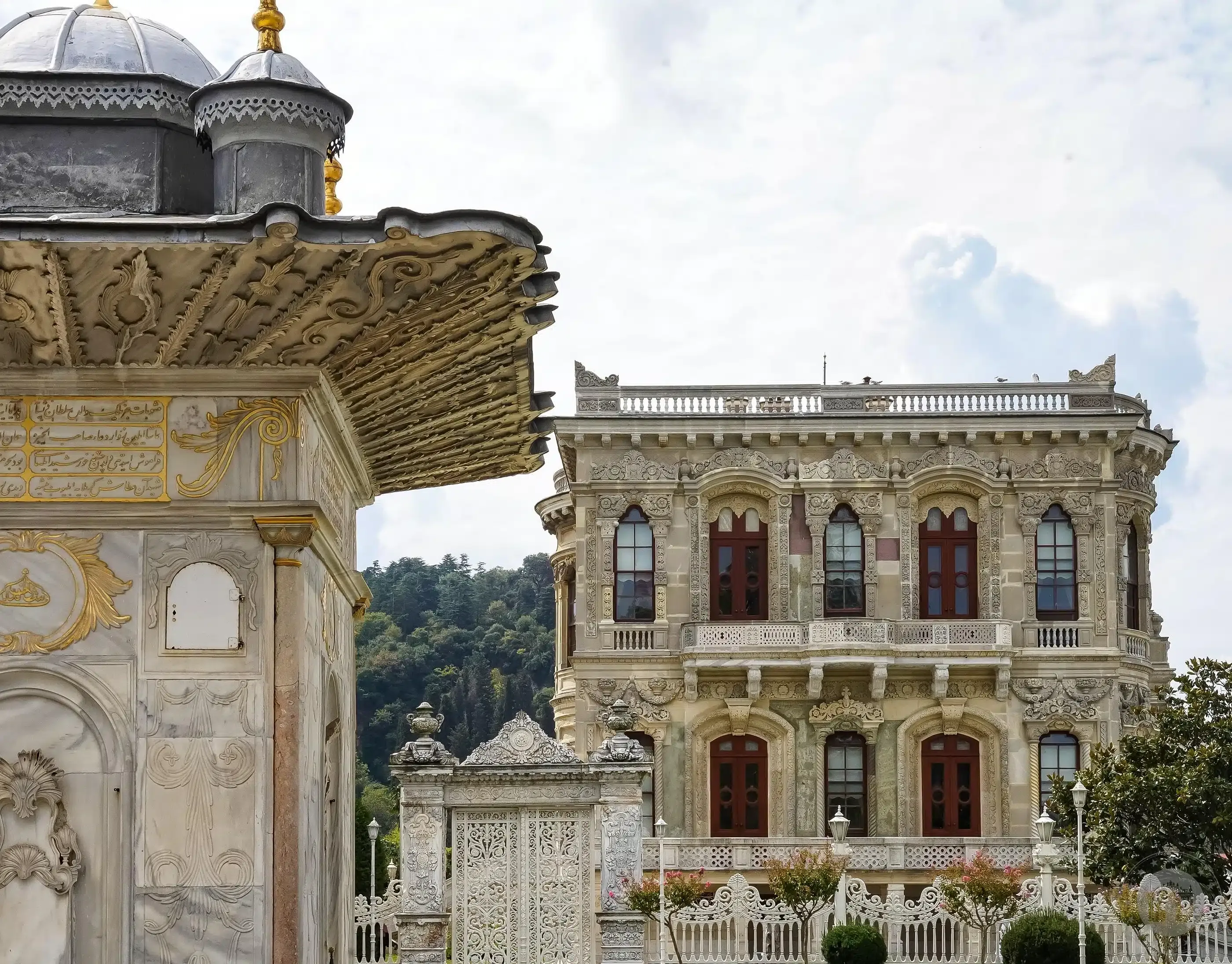
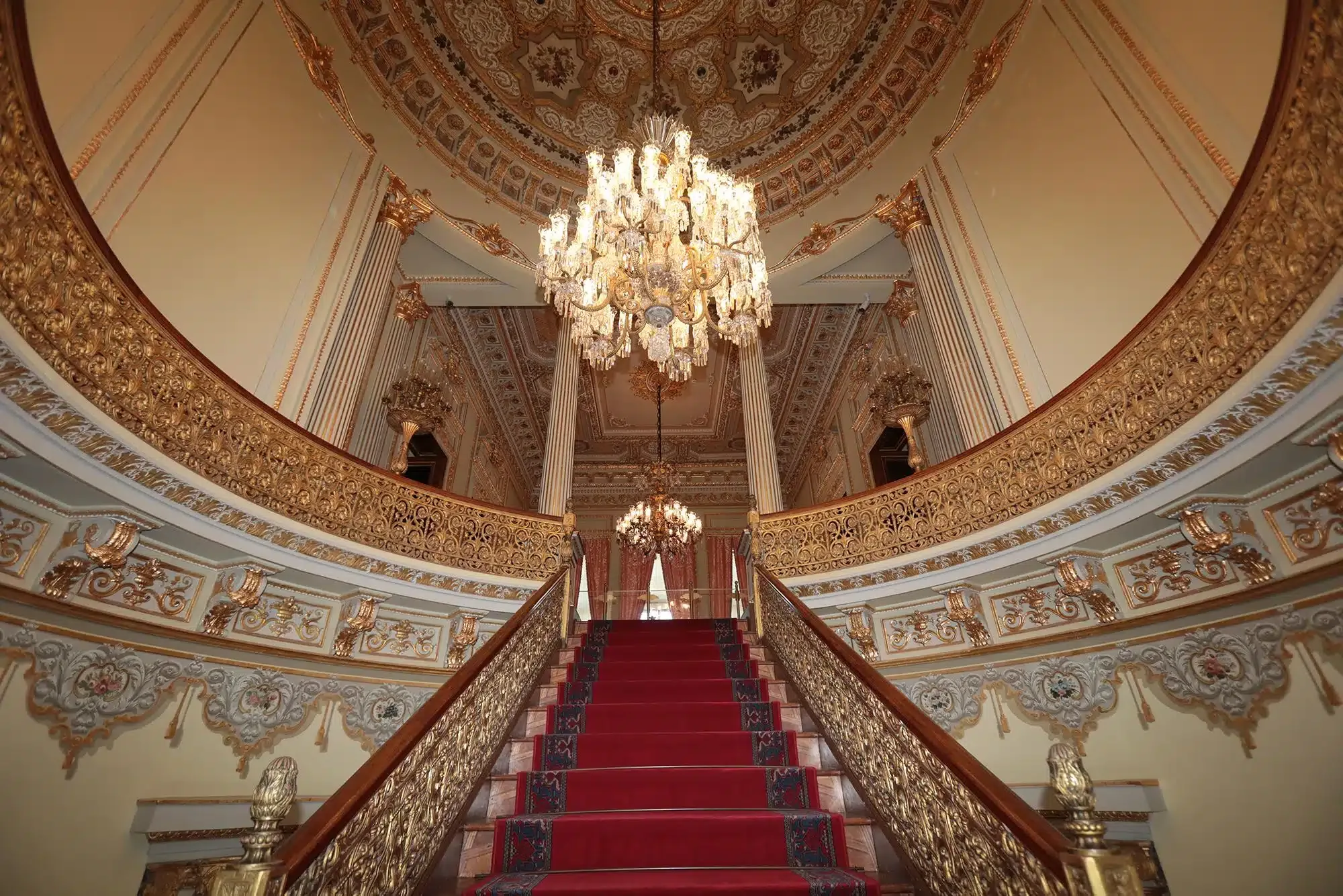
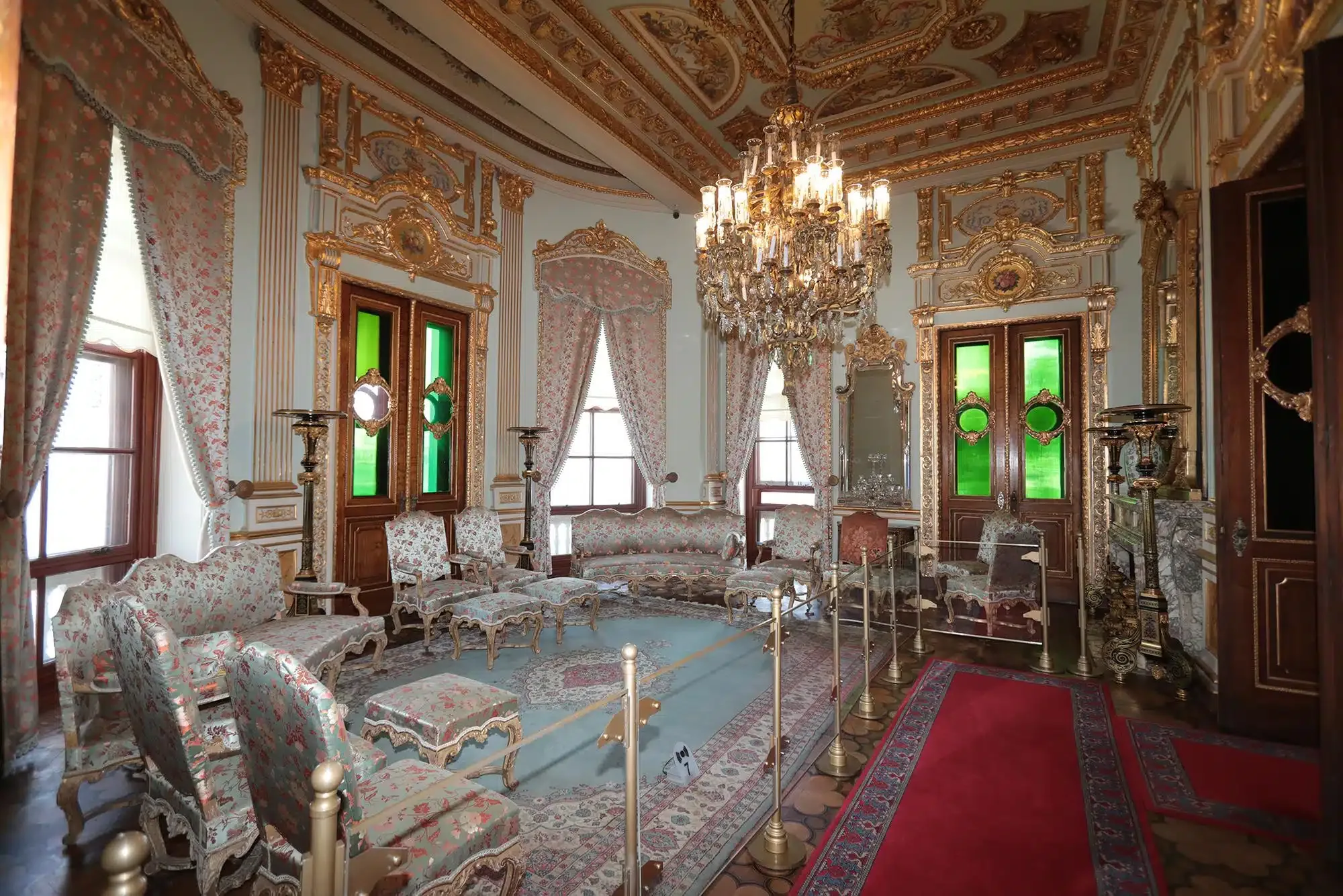
The meadow area between the Göksu and Küçüksu streams was known as one of the most popular recreational areas and private gardens of the Ottoman sultans along the Bosphorus. In the 17th century, the famous traveler Evliya Çelebi described Göksu as "a river of life giving water," a tranquil place surrounded by rose gardens, small pavilions, and treasury owned mills, where boats could be seen. Sultan Murad IV (1623-1640) had the Küçüksu and its surroundings, covered with dense cypress trees up to Kandilli, landscaped and named it "Gümüş Selvi" (Silver Cypress). The first construction within the private gardens began during the reign of Sultan Mahmud I (1730-1754). For the Sultan, who frequently hunted and practiced shooting in Göksu, Grand Vizier Divitdar Mehmed Emin Pasha had a wooden pavilion built in 1751-1752. This two story building on the seashore underwent extensive renovations during the reign of Sultan Selim III (1789-1807), and a fountain was added in 1806 at the Sultan's request, in honor of his beloved mother, Mihrişah Valide Sultan. The old pavilion continued to be used during the reign of Sultan Mahmud II (1808-1839), but was demolished by Sultan Abdülmecid (1839-1861), and the new Küçüksu Pavilion was built in its place between 1856-1857. During the reign of Sultan Abdülaziz (1861-1876), the pavilion's facade decorations were refurbished and enriched.
KUCUKSU PALACE
Göksu, Beykoz, İstanbul
Information
Category
Historical Places
Historical Places
Address
Göksu, Beykoz, İstanbul
Göksu, Beykoz, İstanbul
Views
185
185
Overview
Nearby Places
No nearby content yet.
Map
Göksu, Beykoz, İstanbul
Activities in the Area
No activities found in this area.
Events in the Area
No events found in this area.