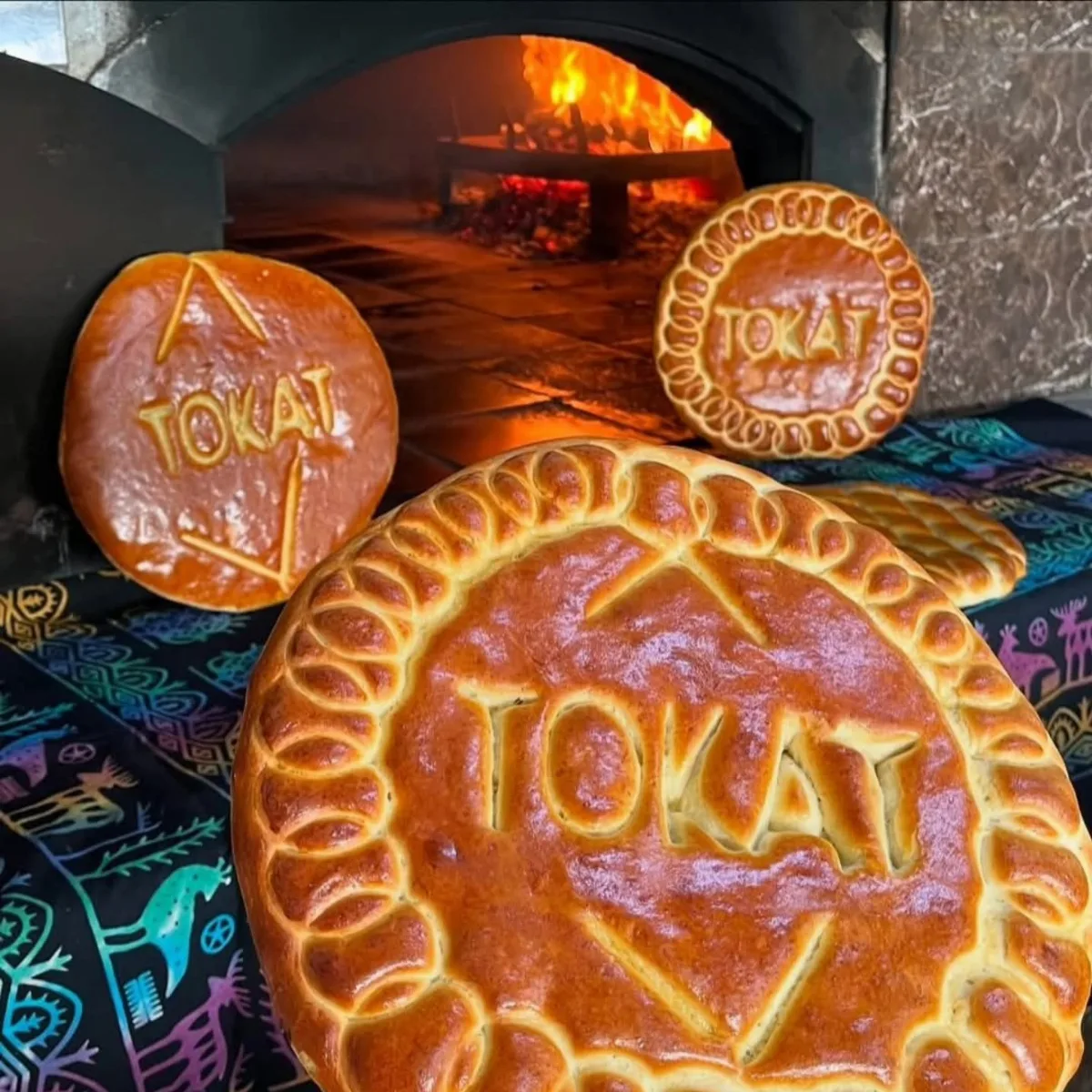
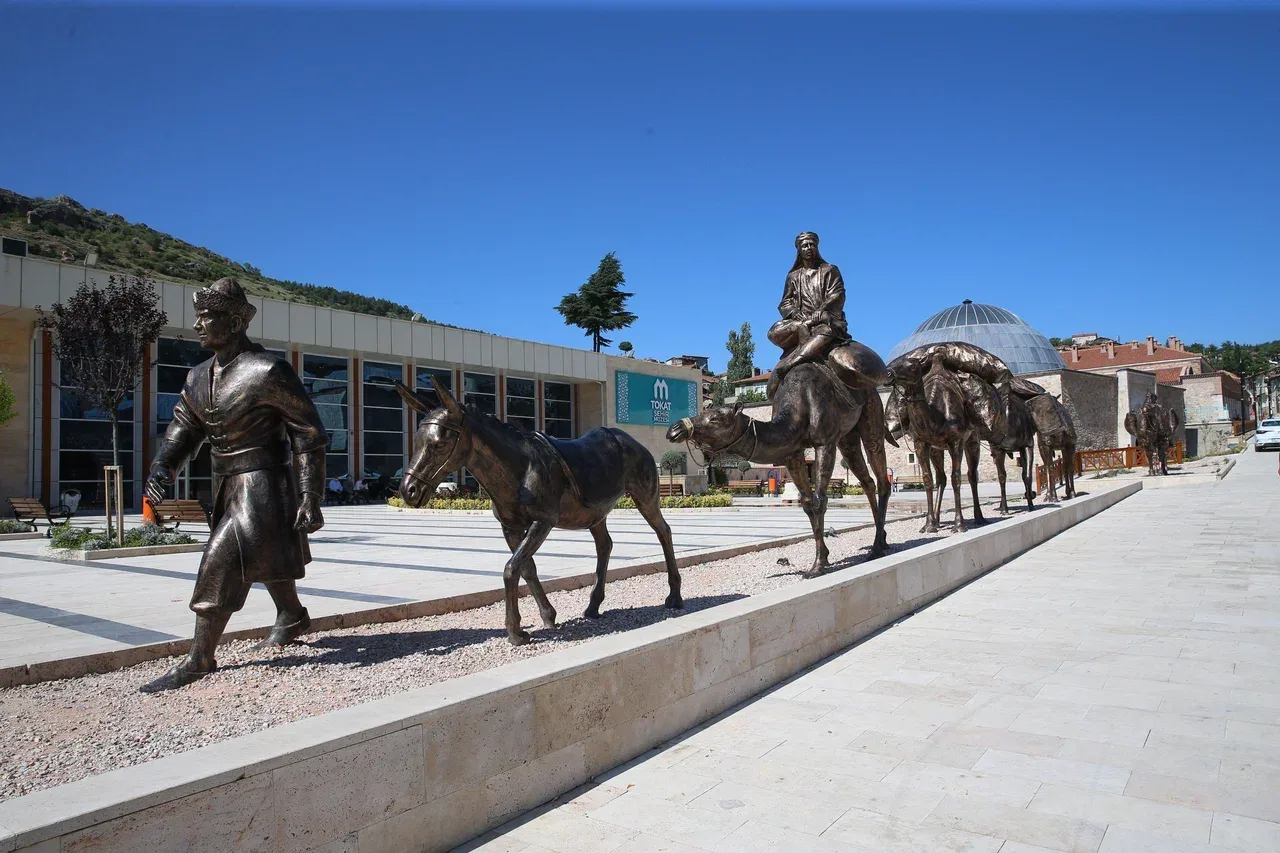
Tokat, one of Anatolia's oldest settlements, is a remarkable city waiting to be discovered, with its extraordinary history shaped by numerous civilizations, renowned local cuisine and rich cultural heritage. Imagine a city where you feel as though you are walking through an open-air exhibition of historical artifacts even before entering the Archaeology Museum, where simply strolling through the streets can take you thousands of years back in time. Once an important crossroads on the Silk Road, Tokat has maintained its strategic significance throughout history. Beyond its geographical importance, its cultural heritage, natural beauty and the traces left by countless civilizations make it one of Anatolia's most ancient and distinctive cities.
In addition to its rich historical heritage, Tokat stands out as a destination of natural beauty, thanks to its location in the inland part of the Central Black Sea Region and its distinctive climate. With Ballıca Cave, featuring rare onion-shaped stalactites found nowhere else in Türkiye; Kaz Lake, home to 108 different bird species; Zinav Canyon, where nature enthusiasts enjoy adventurous hiking trails; Topçam and other highland plateaus, which host various outdoor activities and excursions; dozens of mountain and forest trails ideal for hiking and trekking; thermal springs serving visitors in two different districts; and many other natural attractions, Tokat offers everything that nature and adventure tourists could wish for.
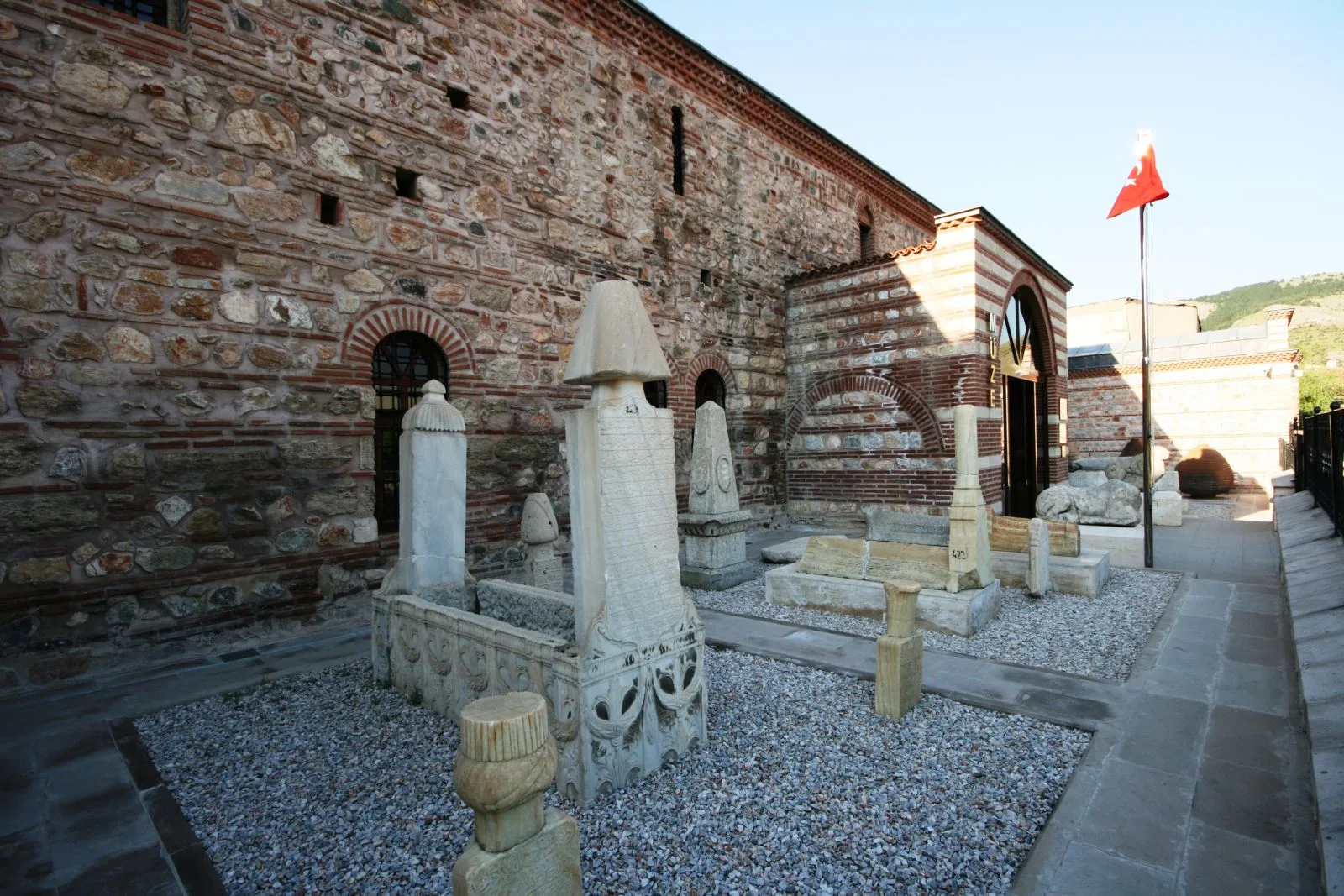
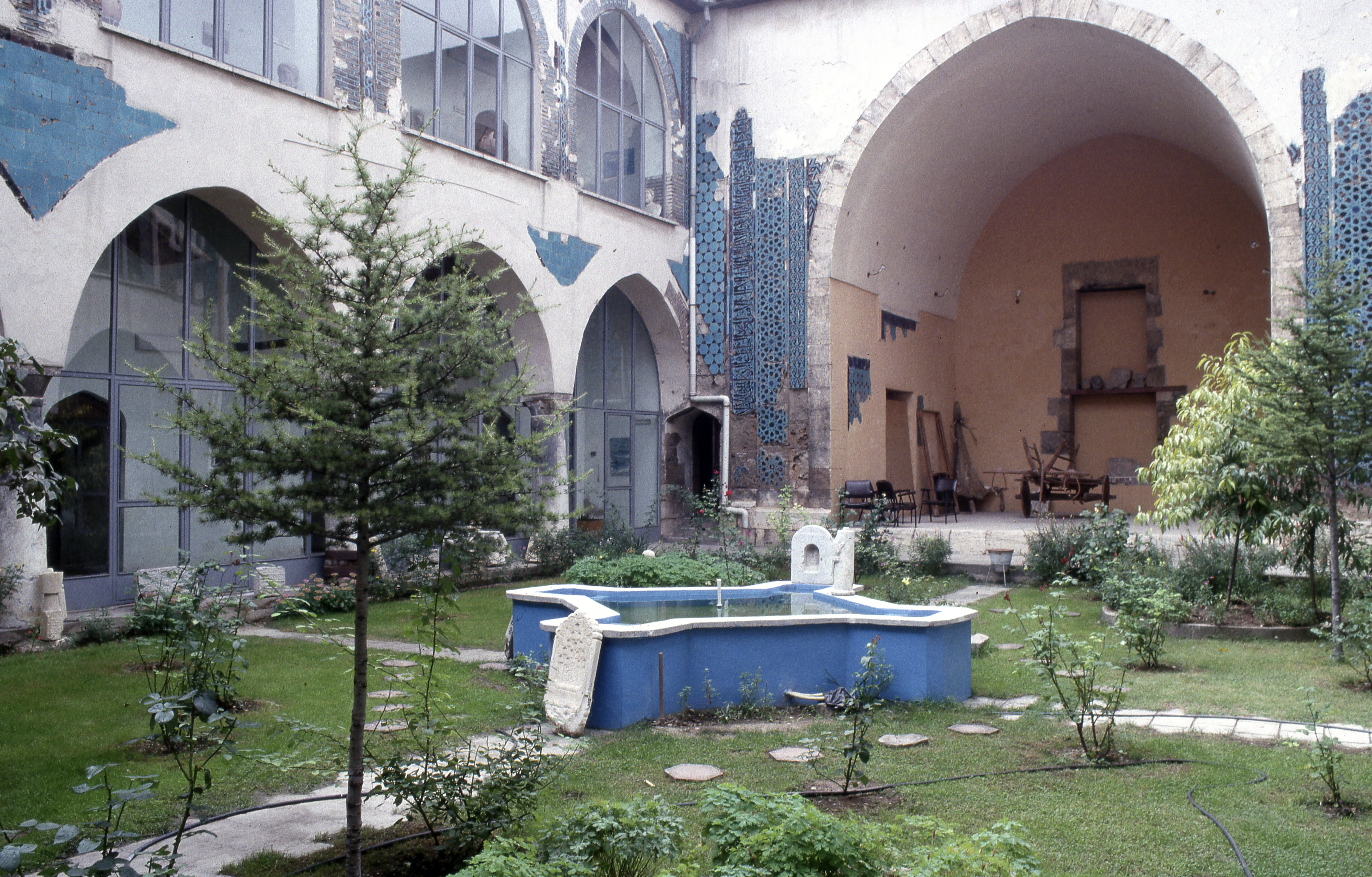
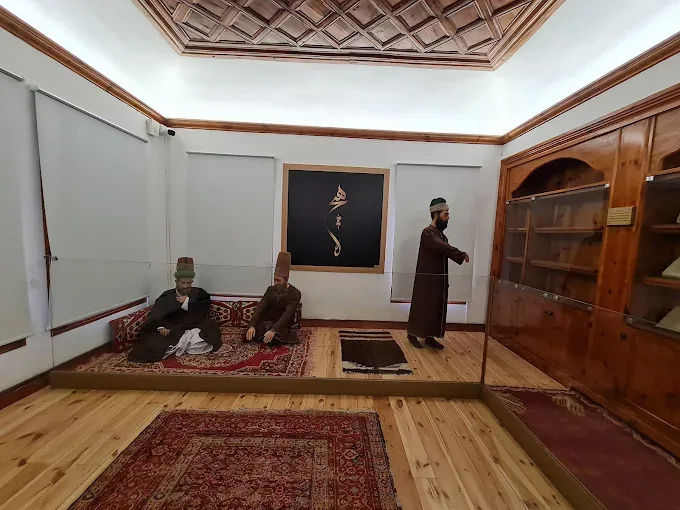
To experience the cultural richness passed down through thousands of years, visitors should not miss the ethnography exhibition on the upper floor of the Tokat Municipality City Museum and the impressive recreation of 18th-century Ottoman-era Tokat on the lower floor. The Archaeology Museum also features a separate ethnography hall where the city's cultural heritage is displayed.
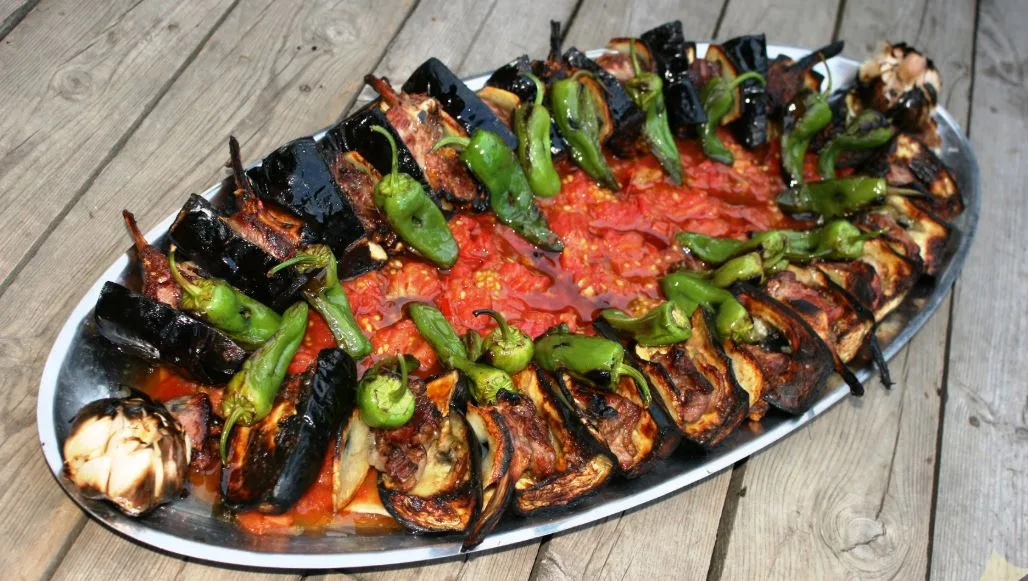
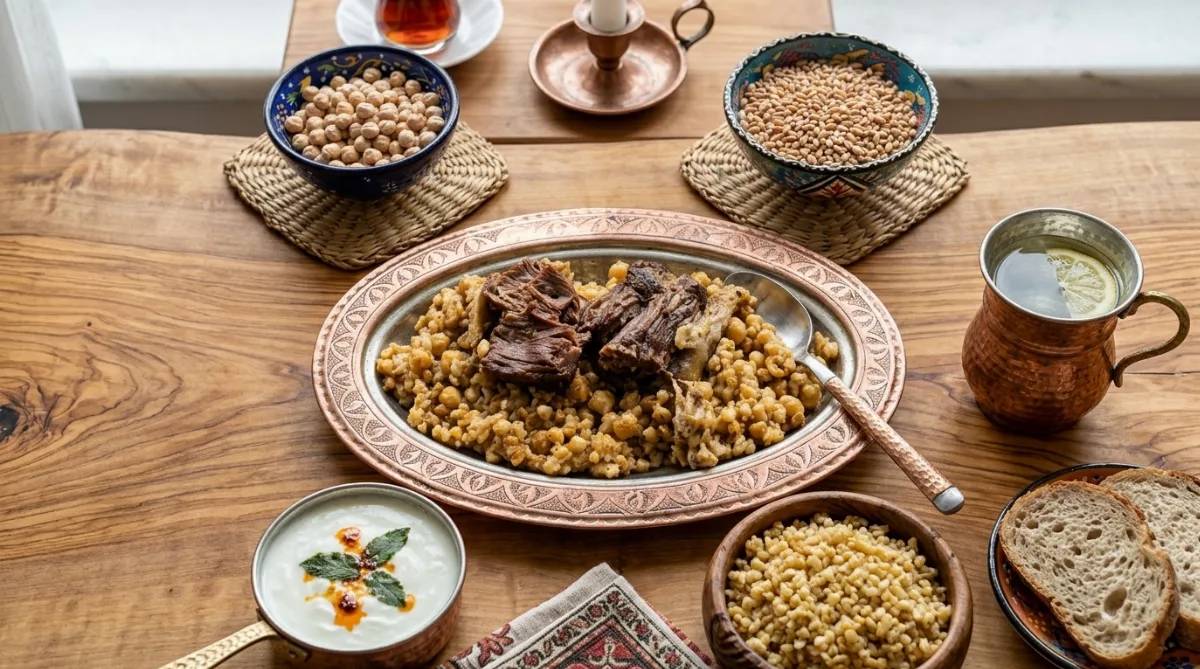
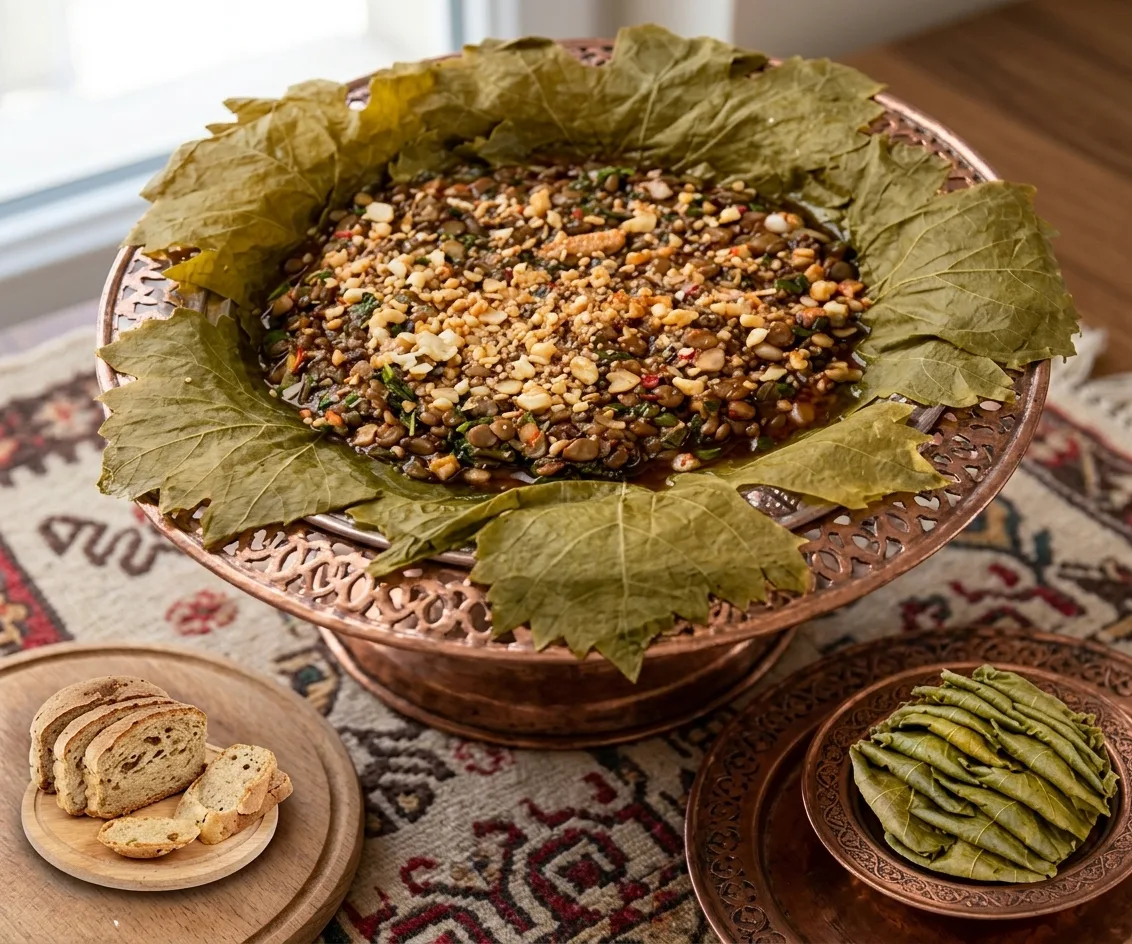
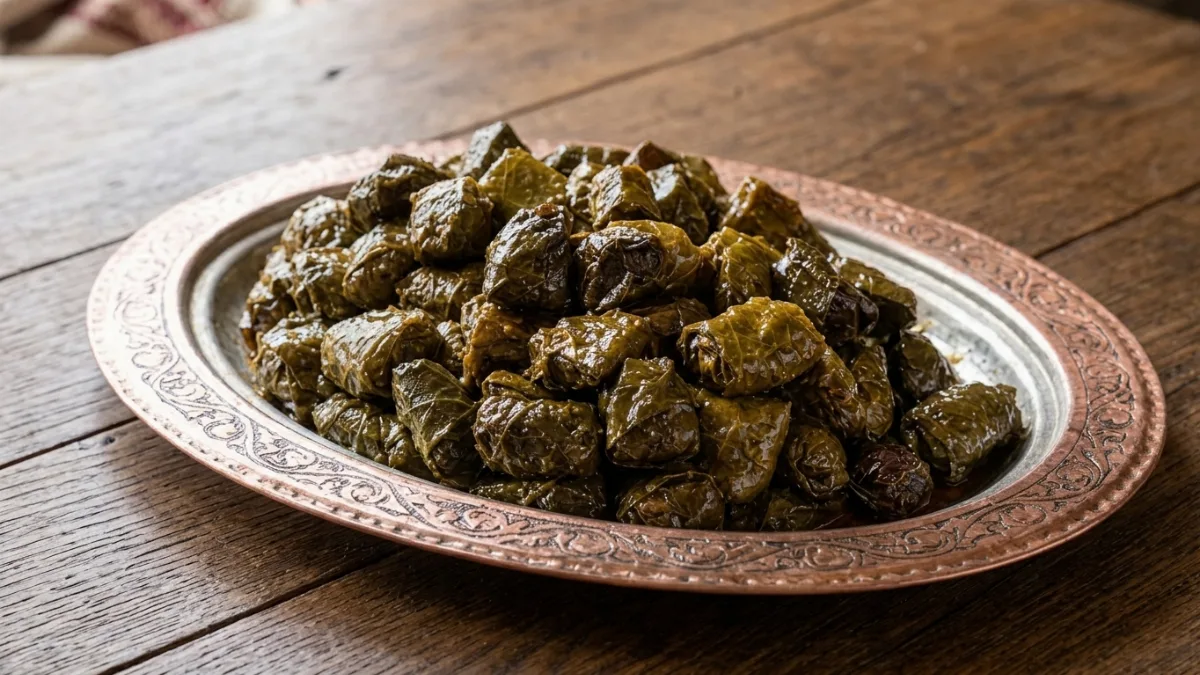
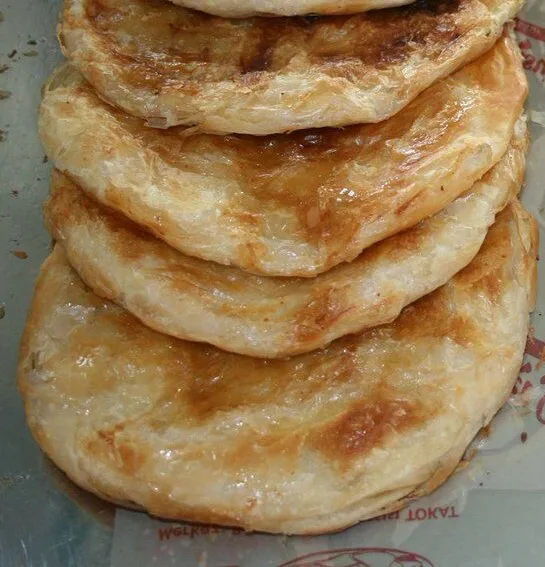
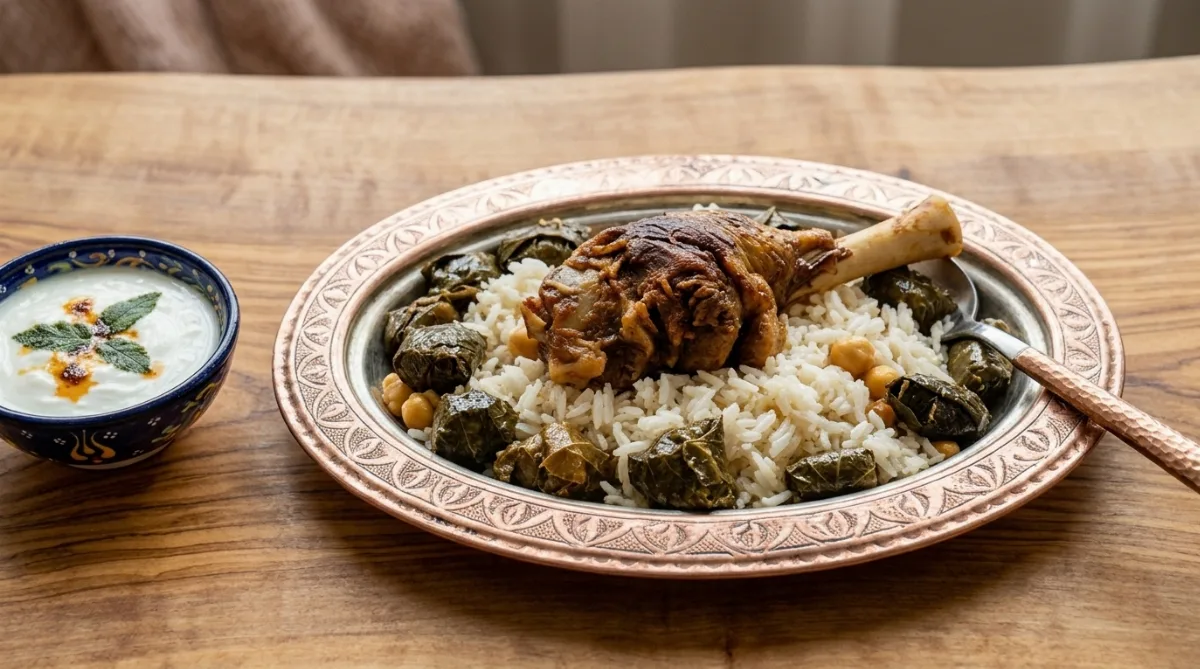
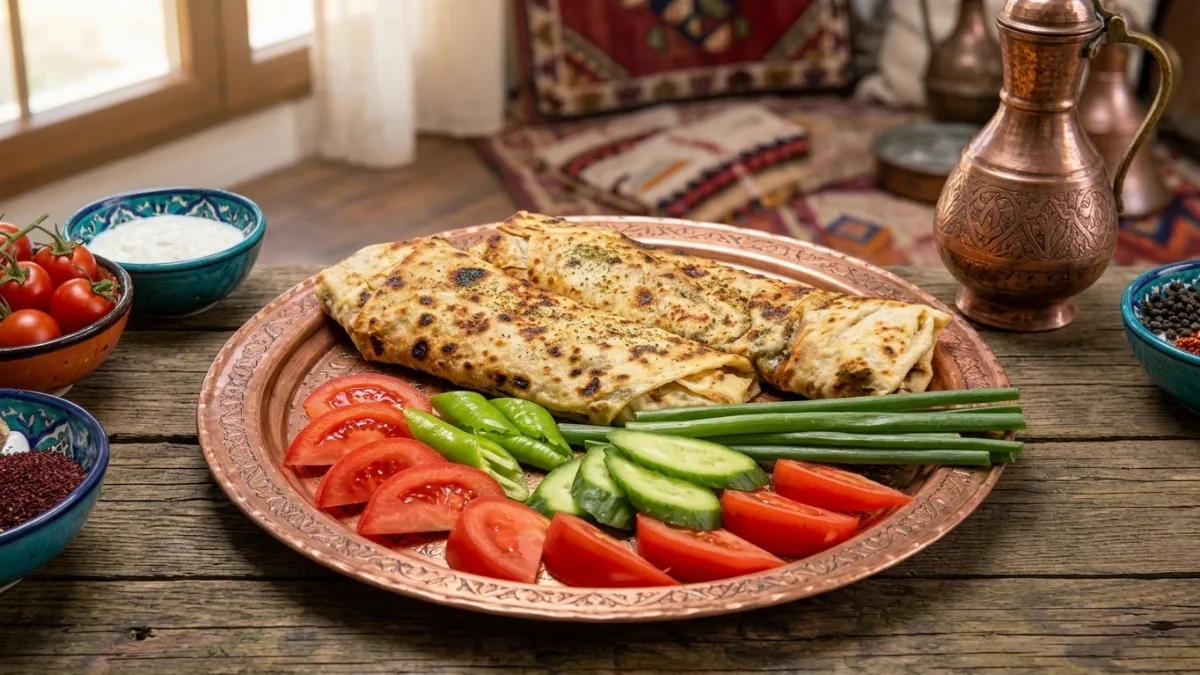
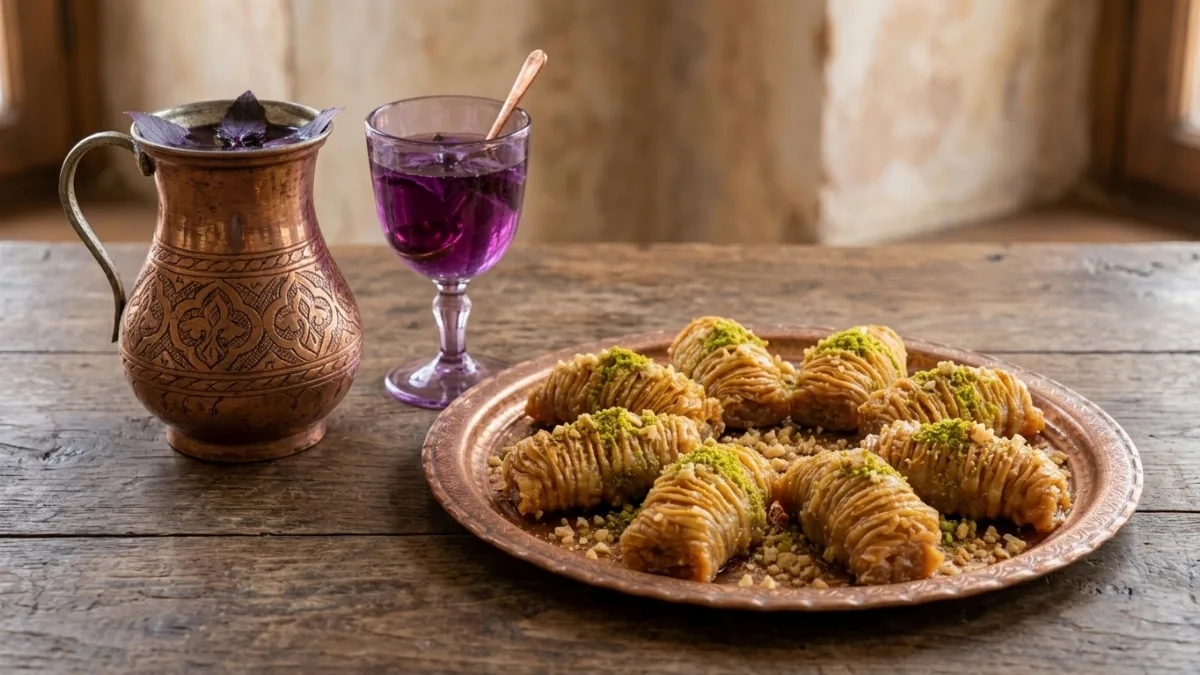
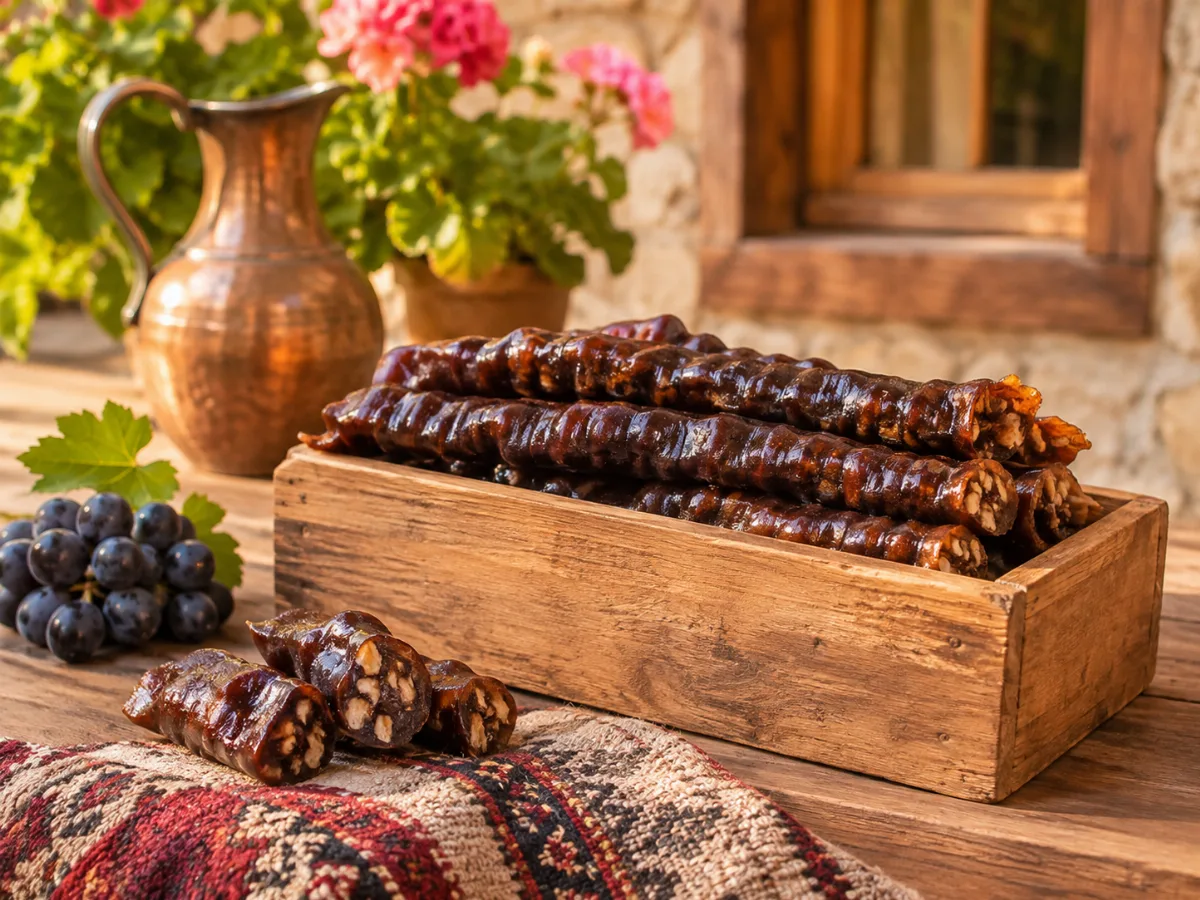
When it comes to local cuisine, Tokat deserves special attention. The famous Tokat Kebabı, described by Vedat Milor in his 2014 newspaper column, is cooked in a specially designed oven using ingredients grown locally in Tokat and harvested in season. Keşkek, traditionally prepared for weddings and family gatherings and slowly cooked in the oven for hours until it reaches its perfect consistency, is another beloved local dish. Other distinctive delicacies include Yaprak Sarma, made with the famous Erbaa grape leaves; Pehlili Pilav; Bat, a traditional local dish; Bakla Dolması; and many more unique flavors. With its rich culinary heritage, Tokat is a must-visit destination for gastronomic travelers.
Tokat's historical heritage is so rich that words alone can hardly do it justice. Traces of the Hittites, Persians, Phrygians, Romans, Seljuks, Ilkhanids and Ottomans, dating back as far as 6,000 years, can be found throughout the city. Yet one of Tokat's most remarkable features deserves special attention, as it clearly demonstrates why the city is among Türkiye's most historically distinctive destinations.
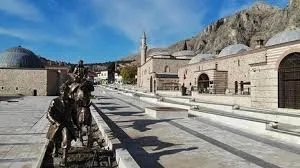
Following the Battle of Manzikert in 1071, Tokat was conquered in 1073 by Melik Ahmet Gazi and subsequently became the center of the Danishmendid State. At that time, water was brought to the area at the foot of the Roman Castle, and a street was established there. This street came to be known as Sulusokak. Today, Sulusokak is one of Tokat's most treasured historical areas. Here, you can stand in one spot and witness centuries of history without taking a single step. Looking straight ahead, you will see Yağıbasan Madrasah, built by the Danishmendids and recognized as one of the earliest Turkish-Islamic madrasahs in Anatolia. Turn to your right, and you will see Alaca Masjid, a Seljuk-era structure dating back to around 1300, representing an elegant combination of wooden and stone architecture. To your left stand Arastalı Bedesten and Sulu Han, magnificent examples of Ottoman architecture. Finally, without moving an inch, simply turn around and you will see Tokat Castle, a magnificent Roman-era fortress that has witnessed two millennia of history and is traditionally associated with the unsuccessful siege by Timur, known as Sahibkıran Emir Timur.
Tokat is one of the rare cities where four different civilizations can be observed from a single point, simply by looking in four different directions.
In short, you arrive in Tokat as a visitor and leave with a story to tell.